Why Pharma Logistics Needed a Transformation
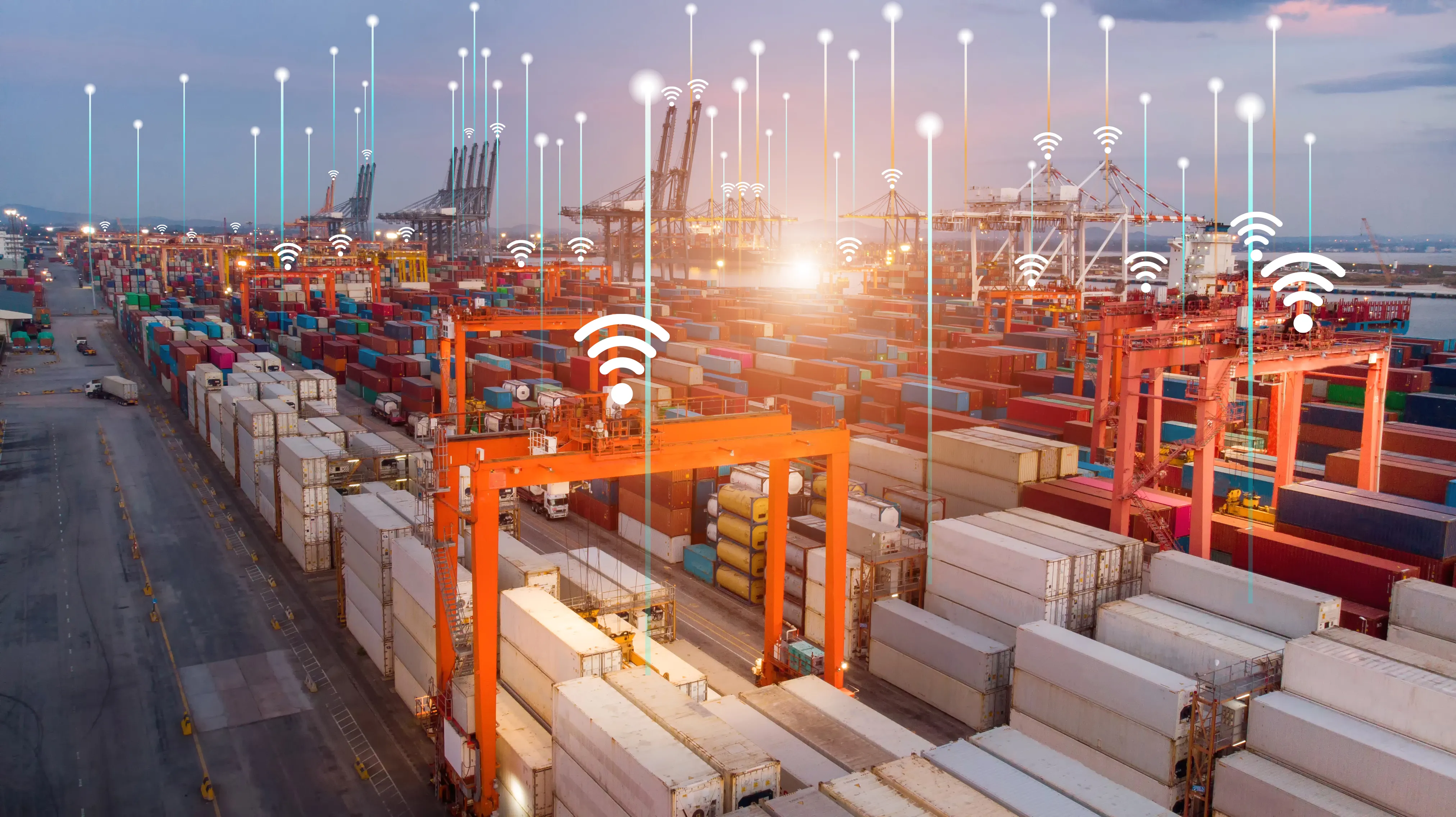
Pharmaceutical supply chains have grown more intricate in recent years. Traditional logistics approaches are now more difficult to handle due to global sourcing, cold-chain transit, biologics, customized medications, and evolving laws. The previous method was primarily reactive. Teams would recognize a delay once it occurred. They would find shortages in inventory too late. In cold-chain shipments, temperature fluctuations frequently necessitated manual examination. Decision-making was sluggish because different departments operated in isolation. These inefficiencies in pharma are expensive. A delayed shipment does not simply mean unhappy customers. It can mean hospitals waiting for critical drugs or patients missing life-saving treatments. This is exactly where AI-powered control towers are making a difference. According to industry reports, modern AI control towers combine machine learning, predictive analytics, IoT tracking, and automation to identify risks before they become major disruptions. Instead of asking, “What went wrong?” supply chain teams can now ask, What is likely to go wrong next? That is a major shift.
From Visibility to Predictive Intelligence
Visibility was a major feature of traditional supply chain systems. Transportation updates, warehouse stock levels, and cargo destinations were displayed. Although sight is crucial, in 2027 it is insufficient. Contemporary AI-driven control towers provide predictive intelligence in addition to visibility. Massive amounts of real-time data from suppliers, transporters, warehouses, weather feeds, customs updates, and demand signals are analyzed by these systems. Then, AI models find patterns that people would probably overlook. For instance, the control tower can notify teams ahead of time and automatically suggest different routes if a biologic shipment is anticipated to have customs delays due to local traffic.. If a spike in flu cases suggests increased medicine demand in a specific region, AI can recommend inventory redistribution before shortages occur. This level of forecasting is becoming essential for pharmaceutical companies trying to balance speed, compliance, and cost.
Cold Chain Monitoring is Becoming Smarter
Preserving product integrity while in transit is one of the most difficult tasks in pharmaceutical logistics. Precise temperature control is frequently necessary for vaccines, insulin, biologics, and specialty medications. Products can become unusable due to even minor variations. IoT sensors and real-time monitoring tools are now integrated into AI-powered control towers to continuously check cargo conditions, temperature, and humidity. However, the true innovation is in anticipating failures before they occur rather than merely monitoring situations. For example, the system can initiate alarms, provide intervention measures, or automatically redirect shipments if sensor data suggests that a refrigeration unit might fail during travel. This degree of reactivity saves operating costs, safeguards patient safety, and drastically decreases waste.
Digital Twins are Changing Supply Chain Planning
Another major trend shaping pharma logistics in 2027 is the rise of digital twins. A digital twin is essentially a virtual replica of the supply chain. It allows companies to simulate disruptions, test scenarios, and evaluate responses before taking real-world action. Consider a pharmaceutical company getting ready for a potential lack of raw materials. The control tower can mimic network-wide inventory shortages, transit delays, and supplier disruptions rather than speculating about the effects. This makes it easier for decision-makers to spot weaknesses early and create backup plans more quickly. Digital twins are especially valuable in pharmaceutical manufacturing because even small disruptions can create ripple effects across production and distribution. By 2027, many experts believe digital twins will become a standard capability inside advanced control towers.
AI is Reducing Human Workload — Not Replacing Humans
There is often concern that AI will replace supply chain professionals entirely. In reality, the opposite is happening. AI is removing repetitive administrative tasks and allowing teams to focus on higher-value decisions. Industry discussions increasingly describe AI as a “force multiplier” rather than a replacement for human expertise. Supply chain teams still handle strategic planning, supplier relationships, regulatory compliance, and crisis management. But AI now assists with data analysis, exception management, forecasting, and operational coordination. That support matters because pharmaceutical supply chains generate enormous amounts of data every day. Without AI, much of that information remains underutilized. With AI-powered control towers, teams can process information faster, prioritize critical risks, and make smarter decisions under pressure.
Sustainability is Becoming Part of the Equation
Pharma companies are also under growing pressure to reduce emissions and improve sustainability across their logistics operations. AI-powered control towers are helping by optimizing routes, reducing empty transportation miles, improving warehouse efficiency, and minimizing product waste. Reuters reports that AI-driven logistics systems may reduce freight emissions by up to 10–15% through smarter optimization and planning. For pharmaceutical companies managing temperature-sensitive shipments worldwide, those improvements can deliver both environmental and financial benefits. Sustainability is no longer a side initiative. In 2027, it is becoming deeply connected to operational efficiency.
The Biggest Challenge: Data Quality
Despite all the excitement around AI, there is one issue companies cannot ignore data quality. AI systems are only as effective as the data feeding them. Industry professionals consistently point out that poor-quality data creates unreliable predictions and weak decision-making. This means pharma companies must first invest in clean, connected, and standardized data systems before AI can deliver its full value. The organizations seeing the strongest results are not necessarily those with the flashiest AI tools. They are the ones with disciplined data governance and integrated systems. That foundation matters more than hype.
What Pharma Logistics Will Look Like in 2027
By 2027, AI-powered control towers are expected to become the standard operating model for pharmaceutical logistics. The industry is moving toward highly connected ecosystems where AI continuously monitors operations, predicts disruptions, and coordinates responses in real time. We are also seeing the rise of “agentic AI,” where systems not only identify problems but also execute approved actions automatically. That could include rerouting shipments, adjusting inventory allocations, notifying stakeholders, or updating transportation schedules without waiting for manual approval. However, human oversight will remain critical especially in regulated industries like pharmaceuticals where accountability and compliance cannot be compromised. The future is not fully autonomous supply chains. The future is intelligent collaboration between humans and AI.
Conclusion
AI-powered supply chain control towers are no longer experimental technology in pharma logistics. They are quickly becoming essential infrastructure. As pharmaceutical supply chains grow more global, data-heavy, and patient-centric, companies need systems that can move faster than traditional operations allow. The winners in 2027 will likely be the organizations that combine AI-driven intelligence with strong human decision-making, trusted data, and operational agility. Because in pharma logistics, speed matters. But visibility, resilience, and proactive decision-making matter even more.
World BI Pharma Supply Chain and Logistics Innovation Programme 2027
It’s is a global platform bringing together pharmaceutical leaders, supply chain experts, and logistics innovators to discuss the future of pharma supply chains. Organized by World BI, the conference Pharma Supply Chain and Logistics Innovation Programme will focus on digital transformation, cold chain excellence, risk management, logistics optimization, and scalable innovation. The event aims to foster collaboration, share industry insights, and address evolving challenges in pharmaceutical supply chain operations. Attendees will explore strategies to enhance efficiency, resilience, patient safety, and end-to-end supply chain visibility across the healthcare ecosystem.