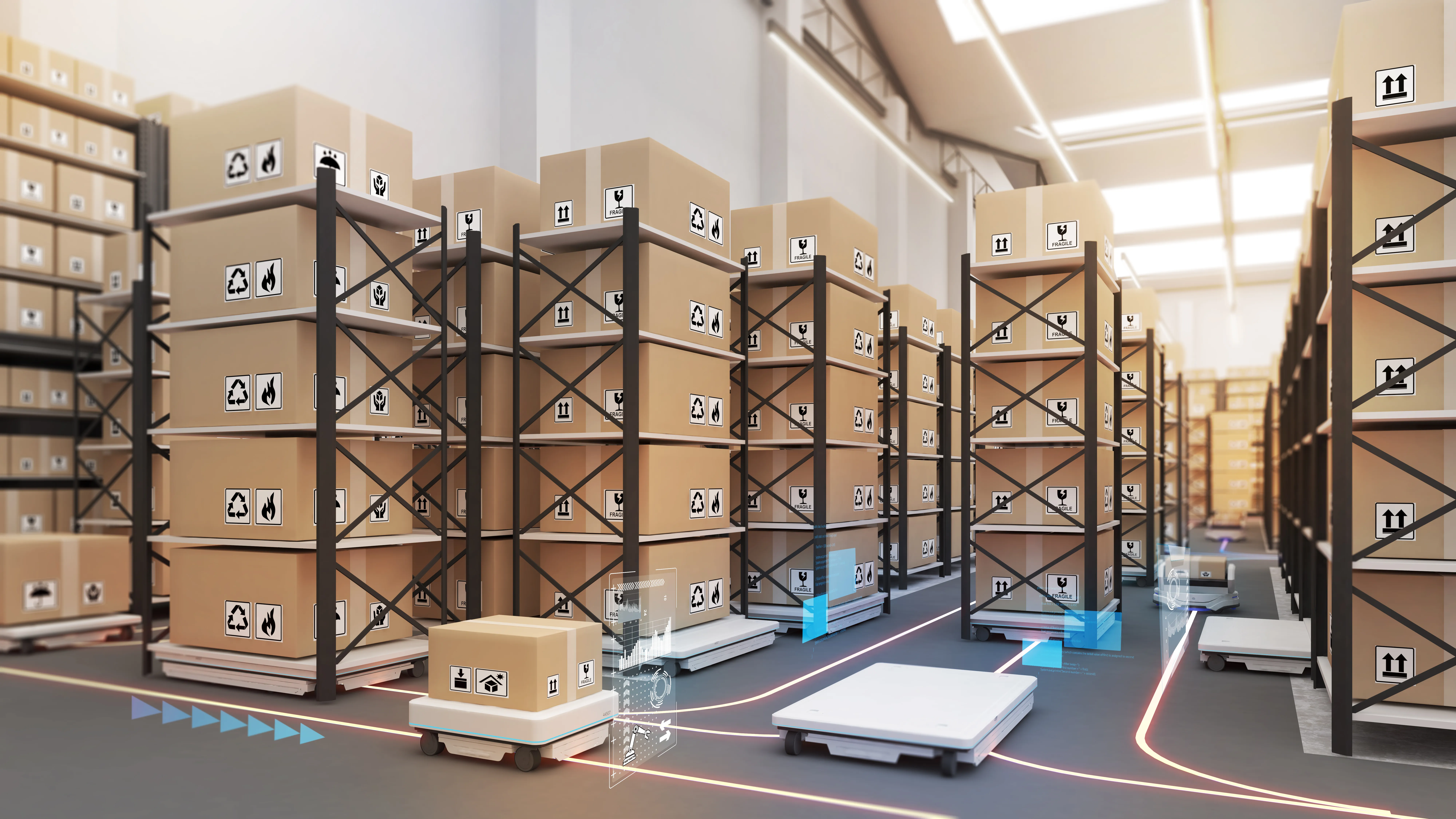
A whole batch of life-saving medications could be compromised by a delayed flight, a malfunctioning sensor, or human error. The pharmaceutical supply chain is undergoing a quiet but powerful transformation in today’s world. Thanks to AI (artificial intelligence), logistics is evolving from a reactive cold chain into a smart chain, one that predicts problems before they happen, adapts in real time, and ensures medicines reach patients safely and efficiently.
World BI is organizing Pharma Supply Chain and Logistics Innovation Programme again this year in Basel, Switzerland where this topic is going to be discussed.
The Limits of the Traditional Cold Chain
The cold chain was designed to solve a single problem: temperature control. Even a brief deviation can render them ineffective or unsafe.
However, traditional cold chain systems have several limitations:
- Reactive monitoring: Temperature data is often reviewed after delivery, when it’s too late to fix issues.
- Limited visibility: Stakeholders struggle to see what’s happening across multiple carriers and geographies.
- Manual decision-making: Human intervention is required to respond to alerts, increasing the risk of delays.
- High waste and cost: Spoilage, recalls, and compliance failures cost the industry billions each year.
As pharmaceutical products become more complex—and more valuable—the industry needs something smarter.
Enter the Smart Chain
A smart chain goes beyond monitoring. It learns, predicts, and optimizes. By combining AI with IoT sensors, cloud platforms, and advanced analytics, pharma logistics can now operate with intelligence built into every step.
Instead of asking, "What went wrong?", companies can now ask, "What's about to go wrong and how do we prevent it?"
How AI is Transforming Pharma Logistics
Predictive Temperature Management
AI models analyze historical shipment data, weather patterns, transit routes, and equipment performance to predict temperature risks before they occur.
For example, if AI detects that a particular airport hub frequently causes delays during summer afternoons, it can recommend alternative routing or additional cooling measures—before the shipment even leaves the warehouse. This proactive approach drastically reduces temperature excursions and product loss.
Real-Time Visibility Across the Supply Chain
AI-powered platforms aggregate data from GPS trackers, temperature sensors, RFID tags, and logistics partners into a single, unified dashboard.
Instead of fragmented updates, stakeholders gain end-to-end visibility, including:
- Shipment location
- Environmental conditions
- Estimated arrival times
- Risk scores for each delivery
This transparency builds confidence not just for manufacturers, but also for distributors, regulators, and healthcare providers.
Smarter Decision-Making Through Automation
When something goes wrong in a traditional system, humans scramble to respond. AI changes that.
Smart chains can automatically:
- Trigger alerts when risk thresholds are crossed
- Recommend corrective actions (rerouting, replacing packaging, expediting transport)
- Escalate issues only when human judgment is truly needed
This reduces response time from hours to seconds—and removes emotional decision-making from critical moments.
Improved Compliance and Audit Readiness
Regulatory compliance is non-navigable in pharma logistics. AI simplifies this by continuously validating shipments against regulatory requirements such as Good Distribution Practices (GDP).
AI systems can:
- Automatically log and validate temperature data
- Detect anomalies that may indicate compliance risks
- Generate audit-ready reports in minutes
This not only reduces regulatory risk but also frees teams to focus on strategic work rather than paperwork.
Demand Forecasting and Inventory Optimization
Overstocking leads to waste. Understocking leads to shortages. AI helps pharma companies find the right balance. Inventory optimization allows you to reduce working capital (by reducing unnecessary inventory) and improve your Cash Flow. AI can predict demand with exceptional accuracy by examining market signals, seasonal demand, prescription trends, and epidemiological data. After that, logistics teams can adjust transit schedules, storage capacity, and inventory levels appropriately.
The conclusion?
- Fewer stockouts.
- Less expired inventory, and better patient access to medicines.
Building Resilience into Global Supply Chains
The COVID-19 outbreak revealed the vulnerability of global supply lines. Traditional systems were overburdened by border closures, cargo shortages, and abrupt demand spikes. Smart chains powered by AI are by nature more robust. They can evaluate risk exposure, create "what-if" scenarios, and dynamically modify logistical plans in the event of disruptions. AI helps pharma logistics remain flexible under duress, whether it's a public health emergency, a geopolitical issue, or severe weather.
The Human Impact of Smarter Logistics
While AI and automation may sound technical, their impact is deeply human.
- Healthcare providers gain confidence in product integrity
- Patients receive medicines that are safe, effective, and available when needed
- Logistics professionals spend less time firefighting and more time solving meaningful problems
At its core, smart chain logistics is about protecting trust between manufacturers, regulators, and patients.
Challenges on the Road to Smart Chains
Of course, transformation doesn’t happen overnight. Pharma companies face real challenges, including:
- Integrating AI with legacy systems
- Ensuring data quality
- Managing data privacy risks and cybersecurity
- Training teams to trust and use AI insights
The good news is that these challenges are increasingly solvable with the right strategy, partners, and leadership commitment.
From Smart to Autonomous? The Future
Foresee, the next evolution may be autonomous pharma logistics, where AI not only recommends actions but executes them end-to-end with minimal human intervention.
Imagine supply chains that:
- Self-adjust routes in real time
- Negotiate capacity with carriers automatically
- Learn continuously from every shipment
While humans will always play a critical oversight role, the day-to-day execution of pharma logistics is becoming faster, smarter, and more reliable.
Conclusion
The journey from cold chain to smart chain represents one of the most important shifts in pharmaceutical logistics history. AI is no longer a futuristic concept it is a practical, proven tool reshaping how medicines move around the world. By embracing AI-driven logistics, pharma companies are not just improving efficiency. They are safeguarding product integrity, strengthening compliance, and most importantly, ensuring that patients receive the treatments they depend on.
World BI Pharma Supply Chain and Logistics Innovation Programme
It is a global event uniting pharmaceutical industry leaders, supply chain innovators, and logistics experts to explore advancements in Pharma Supply Chain. Pharma Supply Chain and Logistics Innovation Programme organized by World BI, this conference focuses on pioneering strategies for optimizing pharmaceutical supply chains, workforce, enhancing logistics efficiencies, Cold Chain risks and addressing the unique challenges of this critical sector. This platform fosters collaboration and knowledge-sharing to build robust, efficient, and secure supply chains that ensure timely delivery of medicines, patient safety, and operational excellence.