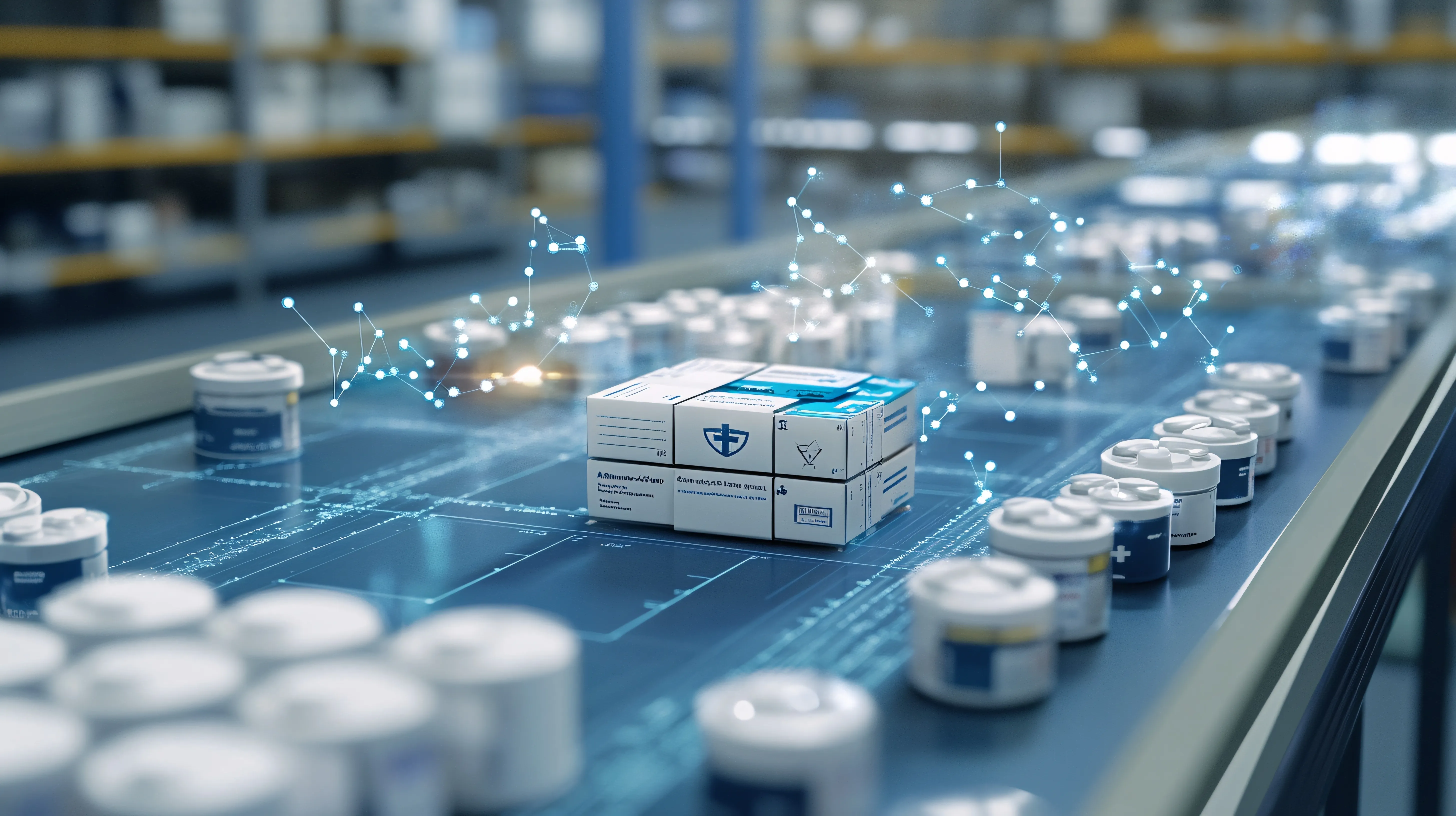
The cold chain in pharmaceutical supply chains guarantees the safety, efficacy, and utility of temperature-sensitive medications from the time they are produced until they are administered to patients. Many medications are quite sensitive to temperature variations, in contrast to many other items that can withstand different ambient conditions.
World BI is organizing the Pharma Supply Chain and Logistics Innovation Programme again this year in Europe in Basel, Switzerland where this topic is going to be discussed. Even small fluctuations can reduce their effectiveness or render them completely unusable. That’s why maintaining a reliable cold chain is not just a logistics requirement it’s a matter of patient safety and public health.
What is the Cold Chain?
The cold chain is a temperature-controlled supply chain used to store and transport temperature-sensitive products. Pharma Logistics relies on specialized storage facilities, like refrigerated warehouses, to keep products at the required temperature. In the pharmaceutical industry, this includes vaccines, biologics, insulin, blood products, certain injectables, and specialty drugs. These products typically require storage within specific temperature ranges such as:
- For many vaccines and biologics, temperature would be 2°C to 8°C
- For some frozen pharmaceutical products, its -20°C
- For certain advanced vaccines and biologics, it’s -70°C or lower
To maintain these temperature ranges during the trip, the cold chain combines specialized storage facilities, chilled transportation, monitoring technology, and stringent operating standards.
Ensuring the Safety and Effectiveness of Drugs
The most prime reason the cold chain exists is to protect the integrity of pharmaceutical products. These products might stop having the desired therapeutic impact once they become unstable. Vaccines, for instance, depend on sensitive biological elements that boost immunity. If these components deteriorate due to heat contact, the immunization may no longer be effective. For this reason, pharmaceutical companies make significant investments in cold chain infrastructure. It guarantees that patients are given medications that are safe, efficient, and able to provide the desired health advantages.
Preventing Costly Product Loss
Temperature excursions when products move outside their required temperature range—can be extremely expensive. Pharmaceutical products often have high manufacturing costs, and many specialty drugs are worth thousands of dollars per shipment. If the cold chain is broken during transport or storage, entire batches may need to be discarded.
Product loss can occur due to many factors:
- Equipment malfunction
- Improper packaging
- Human error during handling
- Lack of temperature monitoring
- Transportation delays
Maintaining a strong cold chain minimizes these risks and prevents costly product waste. In an industry where product value and patient demand are both high, protecting every shipment is critical.
Ensuring Regulatory Compliance
Pharmaceutical logistics operates under strict regulatory oversight. Authorities around the world require companies to maintain proper storage and transportation conditions for medicines. Guidelines such as GDP (Good Distribution Practices) outline how pharmaceutical products should be handled, stored, and transported to ensure quality and safety.
Cold chain compliance involves:
- Continuous temperature monitoring
- Proper packaging and insulation
- Detailed documentation and traceability
- Validated shipping processes
- Risk management protocols
Failure to maintain cold chain standards can lead to regulatory penalties, product recalls, or reputational damage for pharmaceutical companies. Businesses show their dedication to patient safety and regulatory compliance by keeping a robust cold chain infrastructure.
Supporting Global Pharmaceutical Distribution
Pharmaceutical supply chains today are worldwide. A single drug may be produced in one nation, packaged in another, kept in regional distribution hubs, and then shipped to pharmacies or hospitals worldwide. Cold chain logistics are even more important because of this worldwide mobility. Cold chain systems ensure consistent temperature control across long distances and multiple logistics partners. Advanced packaging solutions, refrigerated containers, and real-time temperature monitoring technologies help maintain stability throughout these complex journeys. Without reliable cold chain systems, global distribution of many modern medicines simply would not be possible.
Enabling the Growth of Biologics and Specialty Drugs
The pharmaceutical industry is rapidly shifting toward biologics and specialty therapies. These treatments often require highly controlled storage conditions. Biologic drugs are derived from living organisms and are far more sensitive than traditional chemical-based medicines. As a result, they require stricter cold chain management. In most recent years, the number of temperature-sensitive therapies has increased significantly. As new treatments continue to emerge, maintaining robust cold chain systems will become even more important.
Protecting Public Health During Emergencies
During international health emergencies, the significance of cold chain logistics becomes more evident. Reliable cold chain infrastructure is critical to large-scale immunization campaigns. From preparation to administration, vaccines must be kept within certain temperature ranges. During pandemic situations, millions of doses must be transported quickly across continents while maintaining strict temperature requirements. Without effective cold chain systems, it would be nearly impossible to deliver vaccines safely at such scale. Cold chain logistics ensures that life-saving medicines can reach communities quickly during times of urgent need.
Building Trust Across the Healthcare System
Patients, healthcare providers, regulators, and pharmaceutical companies all rely on the integrity of the supply chain. When medicines arrive in proper condition, healthcare professionals can administer them with confidence. Patients trust that the treatments they receive will work as intended. Cold chain logistics helps maintain this trust by ensuring that every shipment is handled with care and precision.
Technology is Strengthening the Cold Chain
Modern technologies are making cold chain systems more reliable than ever before. Innovations such as:
These allow pharmaceutical companies to monitor shipments continuously and respond quickly if conditions change. These technologies not only reduce risk but also improve visibility across the entire supply chain.
Conclusion
One of the most important elements of the pharmaceutical supply chain is cold chain logistics. It guarantees regulatory compliance, safeguards the efficacy and safety of temperature-sensitive medications, avoids expensive product loss, and facilitates the provision of healthcare worldwide. As pharmaceutical products become more advanced and supply chains become more complex, the importance of maintaining a strong cold chain will only continue to grow. Every vaccination, biologic, or specialty medication that is administered to a patient is the result of a meticulously run system that is intended to maintain quality throughout.
World BI Pharma Supply Chain and Logistics Innovation Programme
It is a global event uniting pharmaceutical industry leaders, supply chain innovators, and logistics experts to explore advancements in Pharma Supply Chain. Pharma Supply Chain and Logistics Innovation Programme Organized by World BI, this conference focuses on pioneering strategies for optimizing pharmaceutical supply chains, workforce, enhancing logistics efficiencies, Cold Chain risks and addressing the unique challenges of this critical sector. This platform fosters collaboration and knowledge-sharing to build robust, efficient, and secure supply chains that ensure timely delivery of medicines, patient safety, and operational excellence.