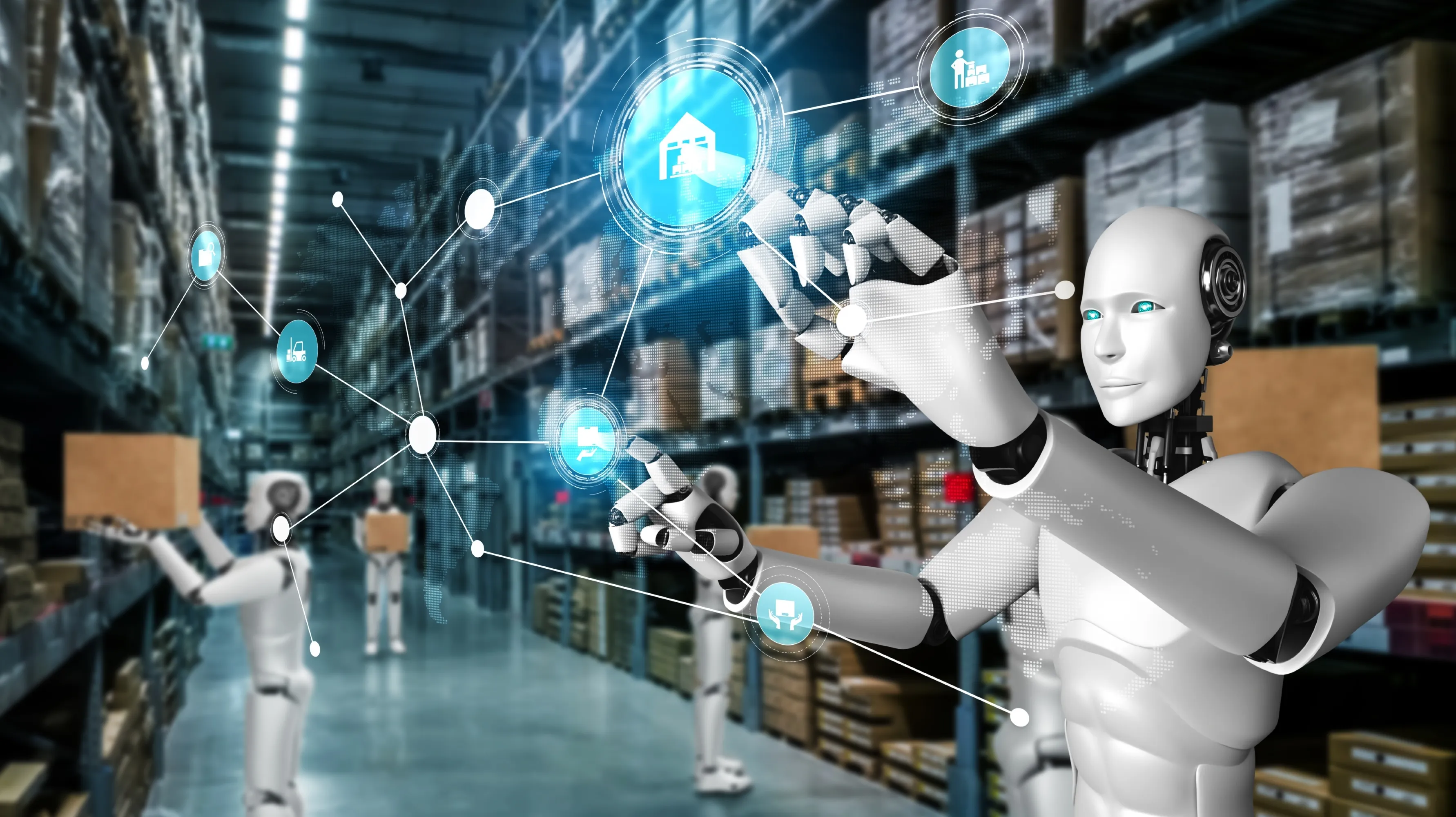
Basel has long been recognized as one of Europe’s leading pharmaceutical hubs, home to major life sciences companies and innovation centers. This year’s PSIP summit highlighted how the industry is responding to mounting pressure from personalized medicine, advanced therapies, regulatory complexity, sustainability goals, and geopolitical uncertainty. World BI is organizing Pharma Supply Chain and Logistics Innovation Programme in 2027 again, where there will be so many of the interesting topics will be discussed. From AI-powered logistics to next-generation cold chain solutions, the conversations in Basel revealed a clear message: pharmaceutical supply chains are no longer just operational systems they are strategic drivers of patient outcomes, business resilience, and competitive advantage.
AI and Predictive Supply Chains Took Center Stage
The expanding use of AI in supply chain management and pharmaceutical logistics was one of the most talked-about subjects at PSIP Basel. AI-driven platforms that can anticipate interruptions, optimize inventory levels, anticipate transportation delays, and enhance end-to-end visibility across international supply networks are becoming more and more popular among pharmaceutical businesses. Supply chain leaders emphasized that traditional reactive models are no longer sufficient in a world where disruptions can emerge from geopolitical instability, weather events, cyberattacks, or sudden demand spikes. AI-powered predictive analytics is helping organizations move toward proactive decision-making by enabling:
- Real-time shipment monitoring
- Dynamic route optimization
- Demand forecasting
- Automated inventory replenishment
- Risk prediction and mitigation
- Temperature excursion prevention
Many executives at PSIP noted that AI is becoming especially valuable in biologics and cell & gene therapy logistics, where shipment failures can directly affect patient treatments. The integration of machine learning with IoT (Internet of Things) devices was also a key discussion point, particularly for cold chain monitoring and compliance reporting.
Cold Chain Resilience Remains a Top Priority
Another major theme in Basel was the increasing importance of cold chain resilience. As biologics, vaccines, and advanced therapy medicinal products (ATMPs) continue to dominate pharmaceutical pipelines, companies are under pressure to maintain highly controlled temperature environments throughout transportation and storage. Leaders discussed how pharmaceutical cold chain logistics has evolved far beyond traditional refrigerated transport. In 2027, the focus is on ultra-cold and cryogenic supply chains capable of handling therapies that require temperatures as low as -196°C.
To support these therapies, companies are investing heavily in:
- Smart temperature monitoring systems
- Real-time visibility platforms
- Cryogenic shipping containers
- Regional cold storage hubs
- Redundant transportation networks
- Automated quality assurance systems
Executives also stressed the need for stronger contingency planning. Several speakers highlighted lessons learned from previous supply chain disruptions, where even small delays created significant risks for temperature-sensitive medicines. As a result, resilience is now viewed as equally important as efficiency in pharmaceutical logistics operations.
Sustainability and ESG are Reshaping Pharma Logistics
Environmental sustainability emerged as one of the strongest strategic priorities discussed during the Basel conference. Pharmaceutical companies are facing increasing pressure from regulators, investors, and healthcare systems to reduce carbon emissions across their supply chains. At PSIP, industry leaders discussed how sustainability goals are influencing logistics decisions, packaging strategies, and transportation planning.
Key sustainability initiatives include:
- Transitioning to reusable cold chain packaging
- Reducing air freight dependency
- Investing in electric delivery fleets
- Optimizing shipment consolidation
- Implementing carbon tracking systems
- Expanding regional manufacturing capabilities
Nowadays, a lot of businesses use environmental impact indicators in addition to cost and delivery measures to assess supply chain effectiveness. Pharmaceutical supply chains are being pushed toward more environmentally friendly and transparent operations by the shift toward ESG (Environmental, Social, and Governance) accountability. Participants also talked about how reducing reliance on long-distance transportation networks might increase operational resilience through sustainability initiatives.
Digitalization is Driving End-to-End Visibility
Another major theme during the Basel event was digital transformation. Supply chain executives stressed that managing more complicated pharmaceutical distribution networks now requires end-to-end visibility. Modern pharmaceutical supply chains encompass a wide range of participants, including manufacturers, contract development organizations, shipping corporations, customs authorities, distributors, hospitals, and pharmacies. Businesses find it difficult to control disruptions, uphold compliance, and guarantee product integrity in the absence of centralized visibility. At PSIP, companies showcased digital platforms that integrate:
- Cloud-based logistics orchestration
- Blockchain traceability
- Digital twins
- IoT sensors
- Electronic quality management systems
- Automated compliance documentation
The use of blockchain technology received particular attention due to its ability to strengthen chain-of-custody verification and reduce counterfeit risks. Executives also discussed the growing importance of real-time data sharing between supply chain partners. Collaborative digital ecosystems are helping organizations improve transparency and accelerate decision-making during disruptions. In 2027, digital supply chains are no longer considered optional they are becoming a foundational requirement for pharmaceutical operations.
Cell and Gene Therapy Logistics Continue to Expand
Another significant topic of discussion during the meeting was the quick development of personalized medicine. The logistics needs resulting from cell and gene therapies are completely different from those of conventional pharmaceutical distribution schemes. Unlike conventional medicines, many advanced therapies involve patient-specific materials that must move between hospitals, manufacturing sites, and treatment centers within tightly controlled timeframes.
Supply chain leaders discussed the challenges associated with:
- Chain of identity management
- Chain of custody tracking
- Ultra-low temperature transportation
- Time-critical delivery coordination
- Cross-border compliance
- Specialized packaging validation
Several experts emphasized that the logistics industry must continue evolving to support the commercialization of advanced therapies across Europe and global markets. Basel’s discussions highlighted growing investments in decentralized manufacturing, regional cryogenic hubs, and digital patient tracking systems designed to support scalable ATMP supply chains.
Geopolitical Risks are Influencing Supply Chain Strategy
Geopolitical uncertainty and trade disruptions were also key concerns raised by pharmaceutical executives at PSIP. The pharmaceutical industry remains heavily dependent on global sourcing networks for active pharmaceutical ingredients (APIs), raw materials, packaging components, and specialized manufacturing services.
Recent years have exposed vulnerabilities related to:
- Trade tensions
- Tariffs
- Export restrictions
- Transportation bottlenecks
- Energy price volatility
- Regional conflicts
As a result, companies are reevaluating their sourcing and manufacturing strategies to improve resilience. Many leaders discussed the growing trend toward regionalization and nearshoring, particularly within Europe. Pharmaceutical firms seek to establish more secure and flexible supply chains by diversifying their suppliers and lowering their reliance on single-source manufacturing regions. Risk management is no longer only an operational problem; it is now a board-level priority.
Collaboration is Becoming Critical for Future Success
One of the clearest messages from PSIP Basel was that no organization can manage pharmaceutical supply chain complexity alone. Industry leaders repeatedly emphasized the importance of collaboration between manufacturers, logistics providers, technology companies, regulators, and healthcare systems. The pharmaceutical ecosystem is becoming increasingly interconnected, particularly as advanced therapies require synchronized coordination across multiple stakeholders.
Partnerships are helping companies accelerate innovation in areas such as:
- AI-driven logistics
- Regulatory harmonization
- Digital traceability
- Risk management systems
- Sustainable packaging
- Cold chain infrastructure
Executives agreed that the future of pharmaceutical supply chains will depend heavily on ecosystem-wide collaboration and shared data strategies.
The Future of Pharma Supply Chains After Basel
A significant turning point in the industry was highlighted in the discussions at PSIP Basel 2027. Pharmaceutical supply chains are becoming into extremely intelligent, patient-focused, data-driven ecosystems that can meet the needs of global healthcare and individualized treatment. The next ten years of pharmaceutical operations will be shaped by the goals identified in Basel, which include supply chain resilience, ATMP logistics, digitization, sustainability, AI, and cold chain resilience. Supply chain executives will become more crucial in guaranteeing safe, effective, and dependable access to life-saving treatments around the globe as the healthcare sector develops. Pharma logistics in the future will involve more than just product transportation. It is about fostering innovation, safeguarding people, and constructing robust healthcare systems for the coming generation.
World BI Pharma Supply Chain and Logistics Innovation Programme 2027
It’s is a global platform bringing together pharmaceutical leaders, supply chain experts, and logistics innovators to discuss the future of pharma supply chains. Organized by World BI, the conference Pharma Supply Chain and Logistics Innovation Programme will focus on digital transformation, cold chain excellence, risk management, logistics optimization, scalable innovation and so many other important topics. The event aims to foster collaboration, share industry insights, and address evolving challenges in pharmaceutical supply chain operations. Attendees will explore strategies to enhance efficiency, resilience, patient safety, and end-to-end supply chain visibility across the healthcare ecosystem